
If you have ever experienced a toddler tantrum in public, you know how overwhelming it can feel.
One moment you are standing in the supermarket checkout line. The next, your toddler is on the floor screaming because you said no to candy. You feel the eyes. You feel the judgment. You question yourself.
After three children and countless toddler tantrums over the years, I can tell you this still hits me. Especially on days with little sleep and a packed schedule. On those days, handling a toddler tantrum feels heavier. More personal.
But here is the truth.
A toddler tantrum is not a parenting failure. It is development.
Let’s talk about toddler tantrums, what is normal, and how to handle a toddler tantrum in public with more confidence.
Toddler Tantrum: What Is Normal?
One of the most searched questions online is: toddler tantrum what is normal?
The short answer is this: tantrums are completely normal between ages one and four.
Toddlers experience big emotions but do not yet have the brain development to regulate them. Their impulse control is immature. Their language skills are still developing. When frustration builds and words fail, their body reacts.
It is also normal for toddler tantrums to happen several times a day, especially between ages two and three. If you are wondering whether toddler tantrums several times a day are typical, the answer is yes. For many children, they are.
What looks like defiance is often emotional overload.
What feels like manipulation is usually overwhelm.
Why a Toddler Tantrum in Public Feels Worse
A toddler tantrum in public feels different from one at home.
Whether it is a toddler tantrum in the supermarket, at a birthday party, or in a crowded store, the added layer of public visibility makes it harder. The fear of judgment activates your own stress response.
Even after years of parenting, I still feel it. Especially when I am exhausted.
Parenting experience does not erase emotion. It simply makes you more aware of it.
Handling a Toddler Tantrum with More Confidence
There is no perfect script for handling a toddler tantrum. But there are approaches that make it easier.
1. Stay Calm First
When your toddler is in the middle of a tantrum, they are emotionally flooded. The emotional wave is bigger than they are.
Before calming them, regulate yourself.
Slow your breathing. Relax your shoulders. Remind yourself this is not an emergency.
Then name what you see.
You are upset because we had to leave.
You are angry because you wanted that cookie.
You are feeling really frustrated.
Labeling emotions helps your child build emotional vocabulary. This is how self regulation develops over time.
Will you always stay calm? No. Especially not on low sleep and high stress days. When you lose patience, repair it. A simple apology models emotional accountability.
2. Be Consistent in Public and at Home
One of the biggest triggers for repeated toddler tantrums is inconsistency.
If no becomes yes during a toddler tantrum in public because you feel embarrassed, your child learns that bigger emotions bring bigger results.
Consistency creates safety. Safety reduces emotional intensity over time.
Agree on boundaries in advance. Decide what no really means in your home. When limits are predictable, tantrums often become shorter.
3. Create Safe Space for Big Emotions
At home, consider a quiet corner with pillows or a favorite stuffed animal. Not as punishment, but as a reset.
Say clearly, you can be angry. I am here.
Sometimes stay nearby quietly. Sometimes give space. When the emotional storm softens, reconnect.
This teaches that emotions are allowed, but behavior still has boundaries.
4. Reset After the Toddler Tantrum
After the crying stops, move forward.
Avoid turning every toddler tantrum into a long lecture. Too much attention can unintentionally reinforce the behavior.
A fresh start communicates something powerful. You are more than your hardest moment.
5. Take Care of Yourself
Handling toddler tantrums several times a day is exhausting.
There have been days I wanted to cry right along with my child. That is usually my sign I need support.
Ask for help. Step outside alone. Meet a friend. Protect your own nervous system.
Your emotional regulation directly influences your child’s ability to regulate.
Preventing a Toddler Tantrum in the Supermarket
Many toddler tantrums in public begin before you even leave the house.
Hunger, fatigue, overstimulation, unclear expectations, and rushed transitions are common triggers.
Before heading to the supermarket, make sure basic needs are met. Explain what is going to happen. Offer limited choices. Give your child a small task so they feel involved.
Most tantrums are not random. They are predictable patterns once you start looking for them.
This is exactly why I wrote my e book about toddler emotions. Inside, I go deeper into practical daily strategies to reduce toddler tantrums, clear scripts for handling toddler tantrums in public, and mindset shifts that help you stay calm even when emotions escalate.
It is not about eliminating tantrums. It is about navigating them with confidence instead of guilt.
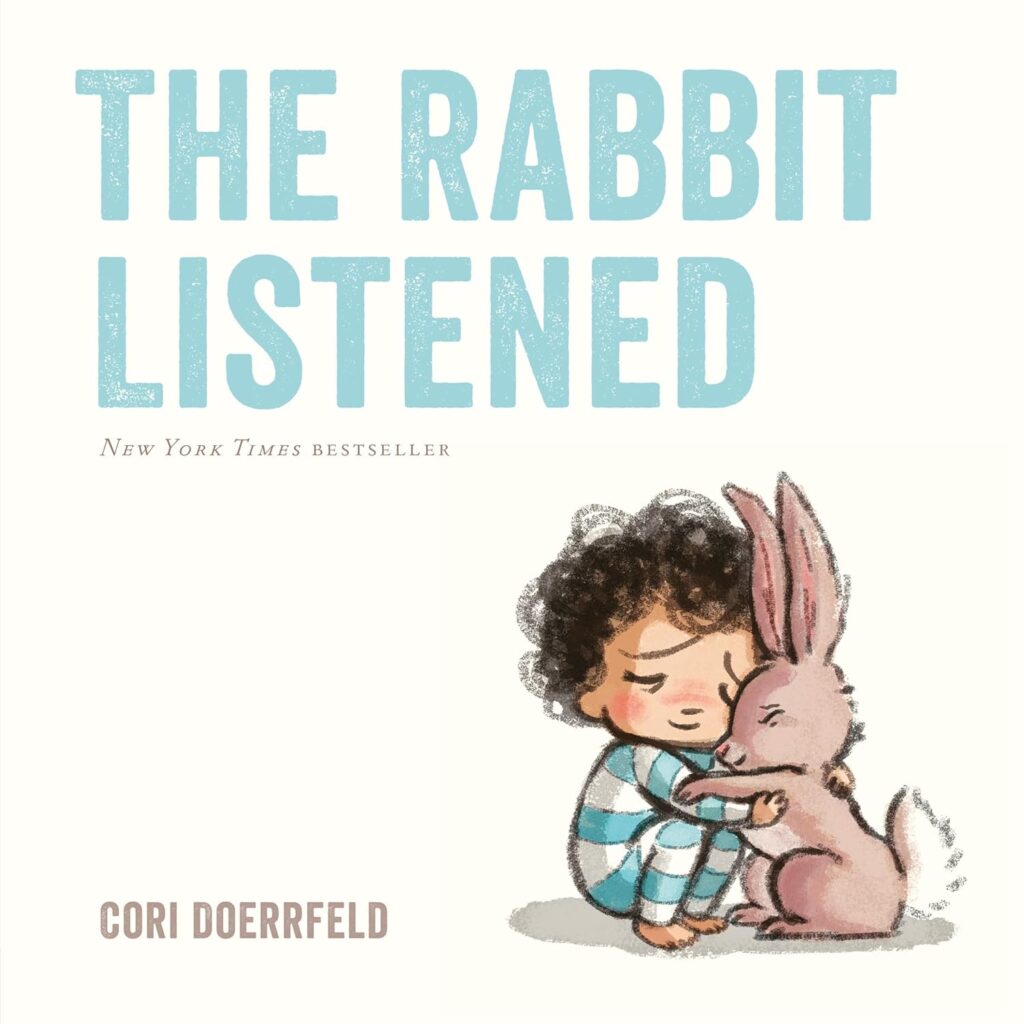
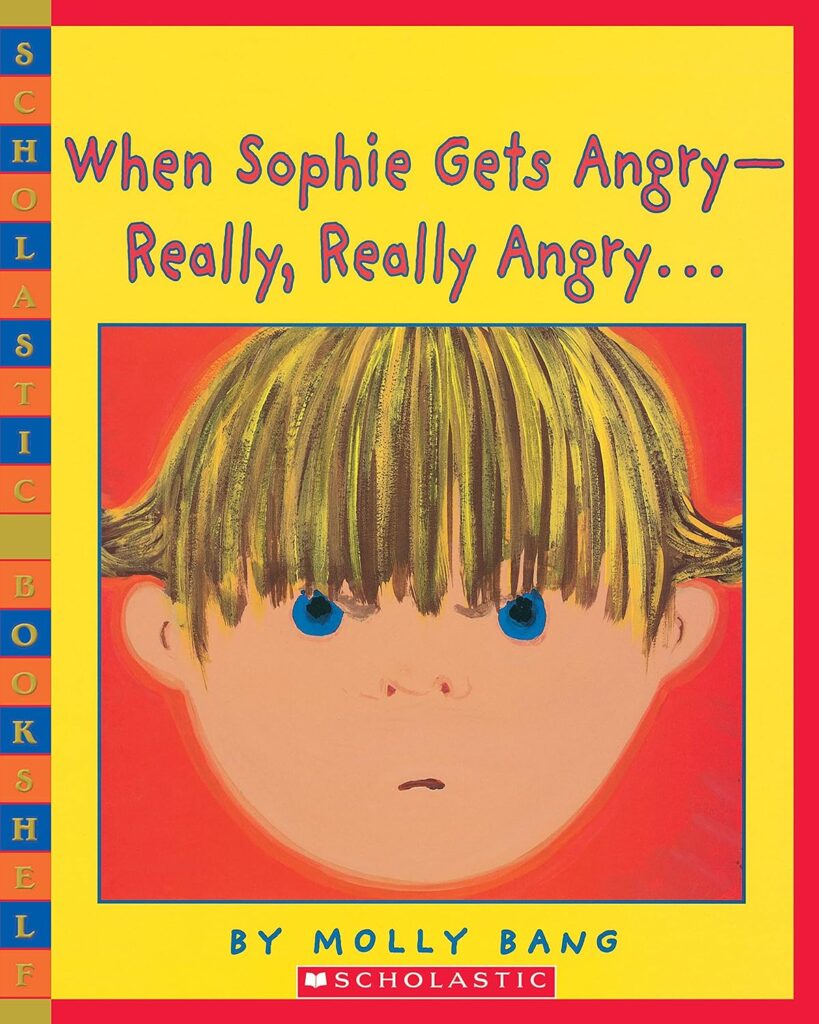
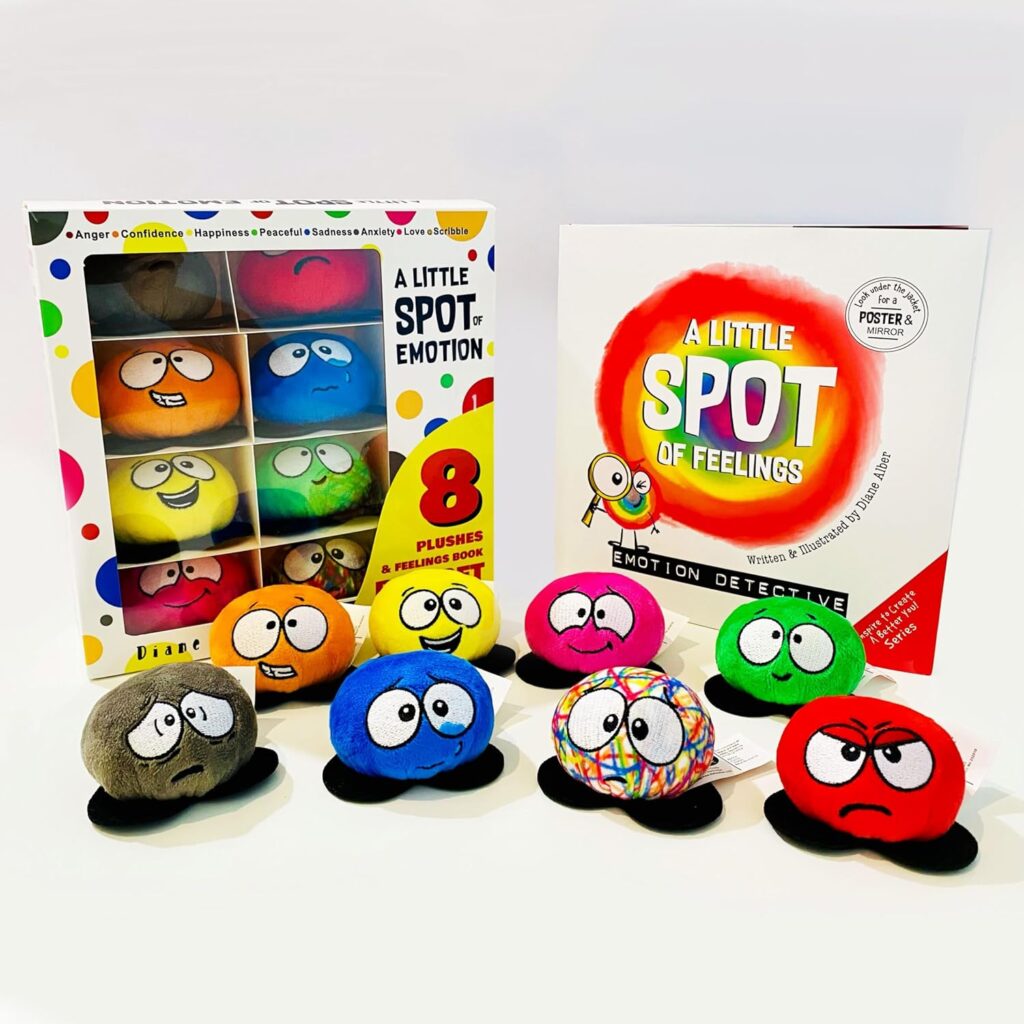
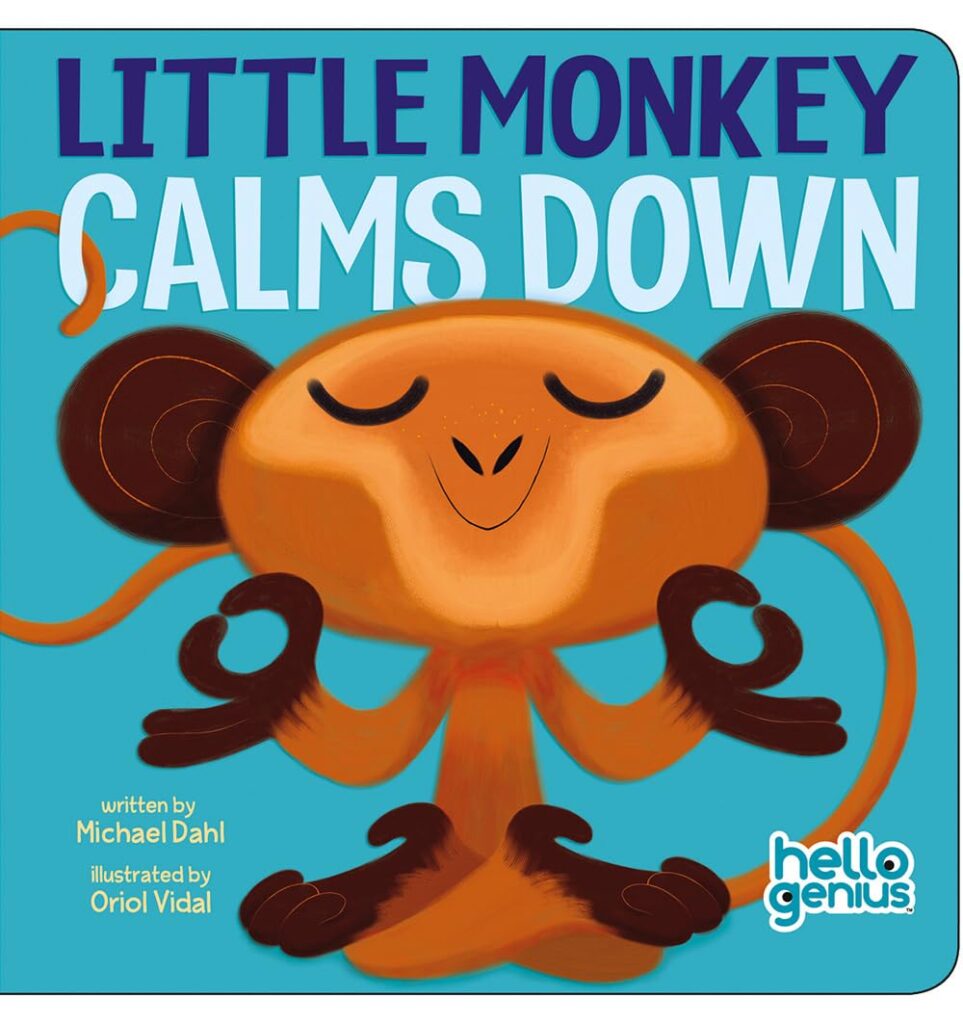
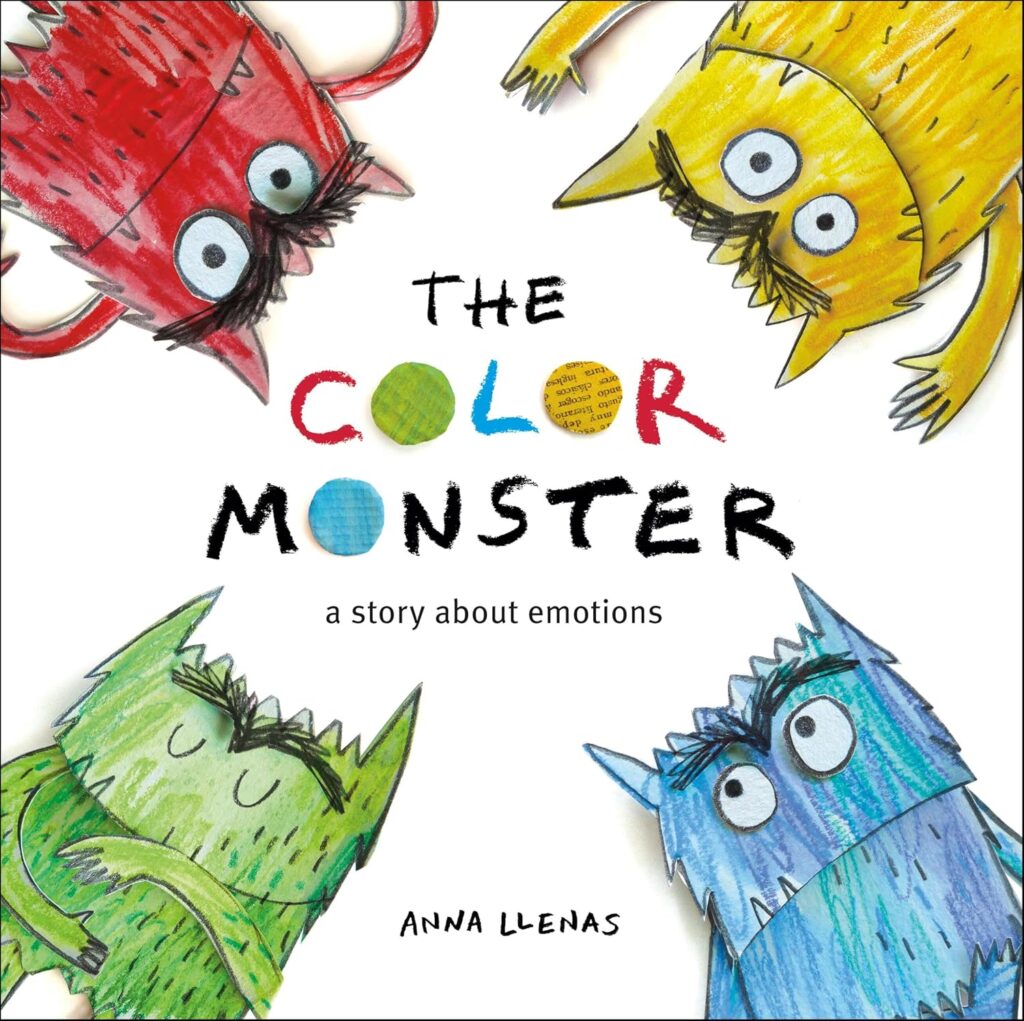
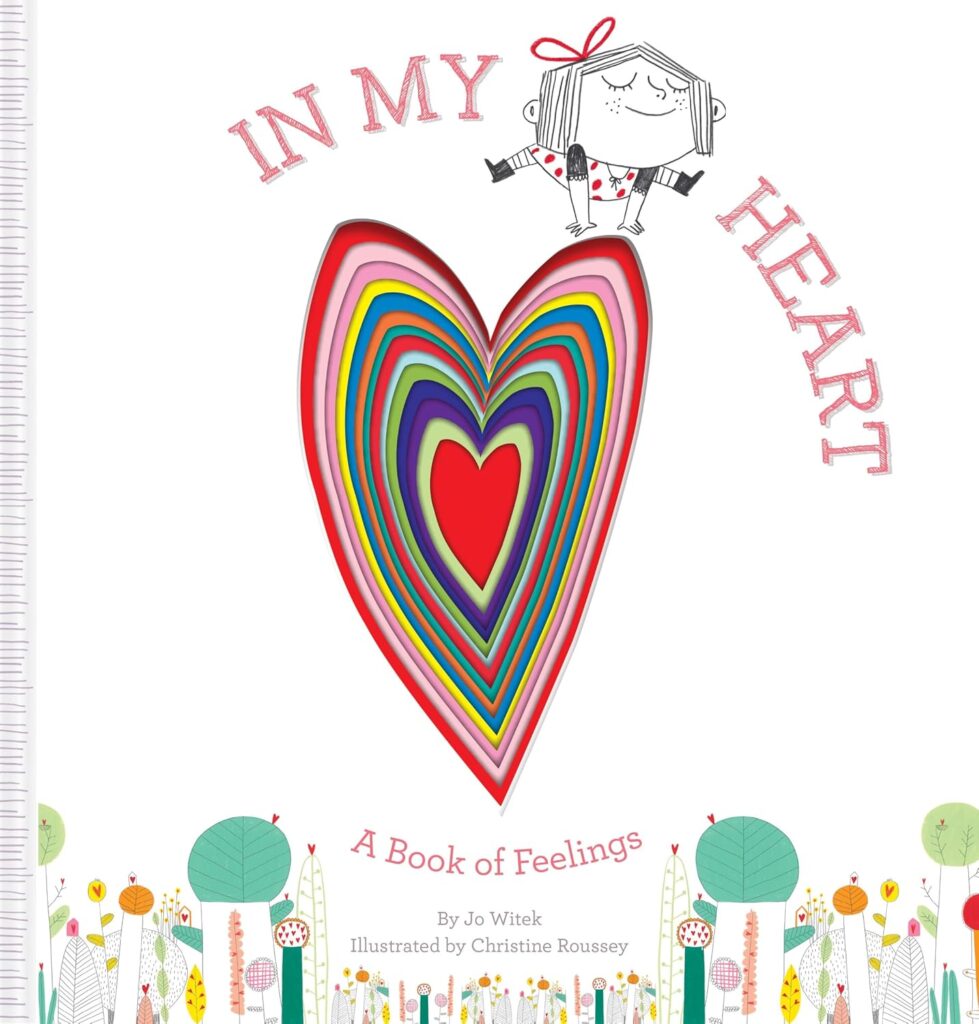
My Favorite Books About Emotions
Over the years, especially after raising three children through countless toddler tantrums, I have come to love using books as quiet teachers.
My favorite books about emotions are the ones that make big feelings feel normal. The ones that give children words before they even know they need them.
Reading about anger, frustration, and sadness during calm moments plants seeds. And those seeds grow the next time a toddler tantrum in public feels overwhelming.
Here are a few of my favorite books about toddler emotions:
Final Thoughts on Toddler Tantrums
A toddler tantrum in public can feel isolating. But it is one of the most normal parts of early childhood.
If your toddler tantrums several times a day, you are not alone. If you struggle with handling toddler tantrums on low sleep days, you are human.
You are raising a child who feels deeply.
And you are learning emotional regulation right alongside them.
That is not failure.
That is parenting.
Affiliate note: Some of the links above are affiliate links, which means I may earn a small commission at no extra cost to you. I only share products I truly love and use with my own children. Thank you for supporting this blog
Leave a Reply