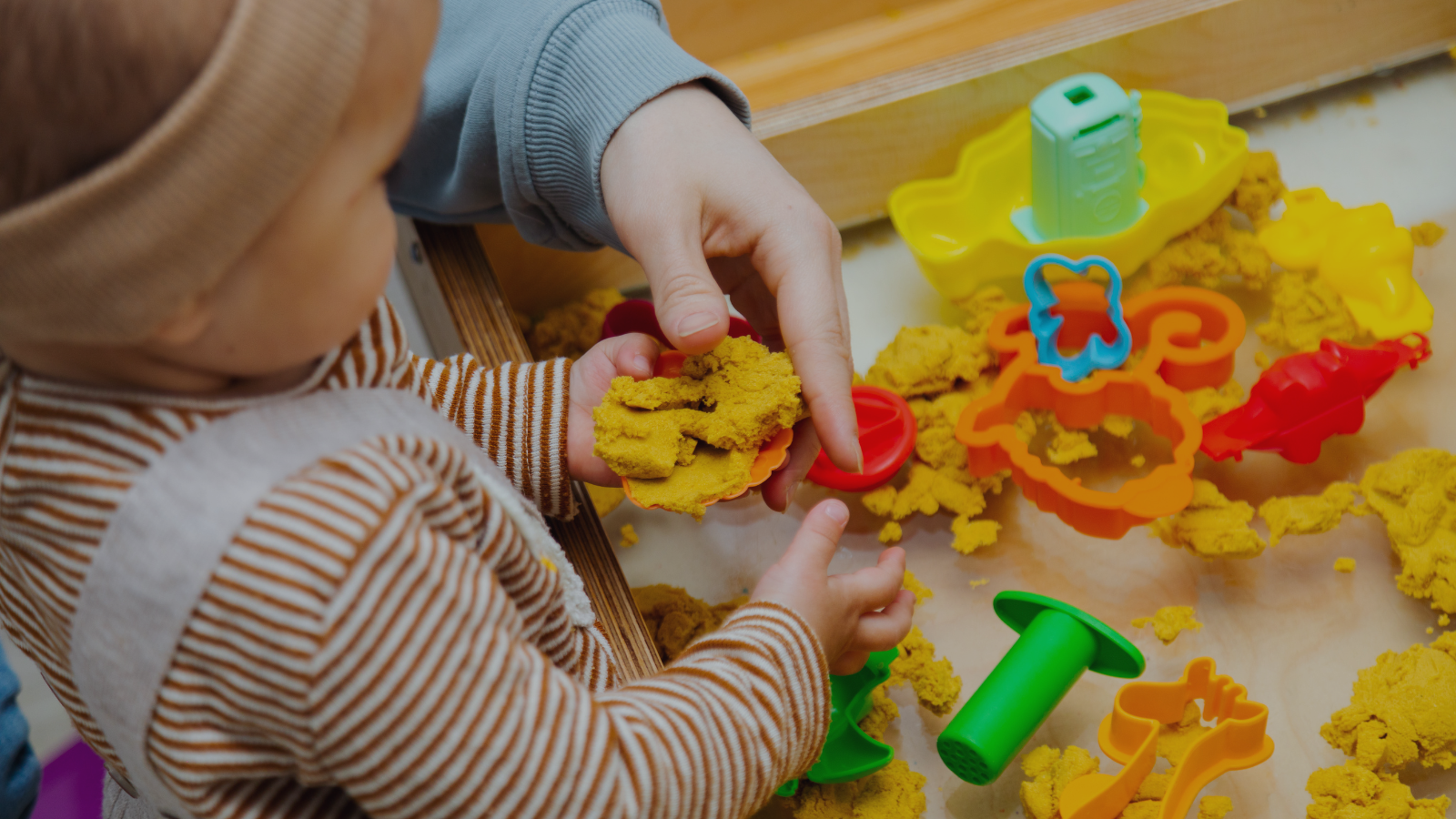
Sometimes I used to quietly wonder if I was doing something wrong.
We would plan something special for the children. A day at the zoo. A visit to an amusement park. A birthday filled with visitors, laughter and excitement. Things they truly enjoyed.
And yet, so often, the day would still end in overwhelm, tears, or a sudden tantrum that seemed to appear from nowhere. Sometimes they even looked like they were not enjoying it anymore, even though nothing had gone wrong.
For a long time, that felt confusing.
But slowly, I began to understand something important. Even beautiful, happy days can be too much for a small nervous system. Noise, transitions, people, emotions, excitement. Everything adds up quietly until the body can no longer hold it.
Not because they are difficult. Not because they are ungrateful. But because they are overwhelmed.
Over time, we discovered small things that helped soften those moments. Not to stop emotions or control behavior, but to gently support their nervous system when the day had simply been too full.
These are a few that have helped us.
Softening the noise
One of the biggest triggers for overwhelm in our home was noise. Busy environments, birthday celebrations, crowded places, or even joyful chaos at home could become too intense.
I noticed that when the sound around us felt sharp and overwhelming, my own nervous system became tense too. And children feel that immediately.
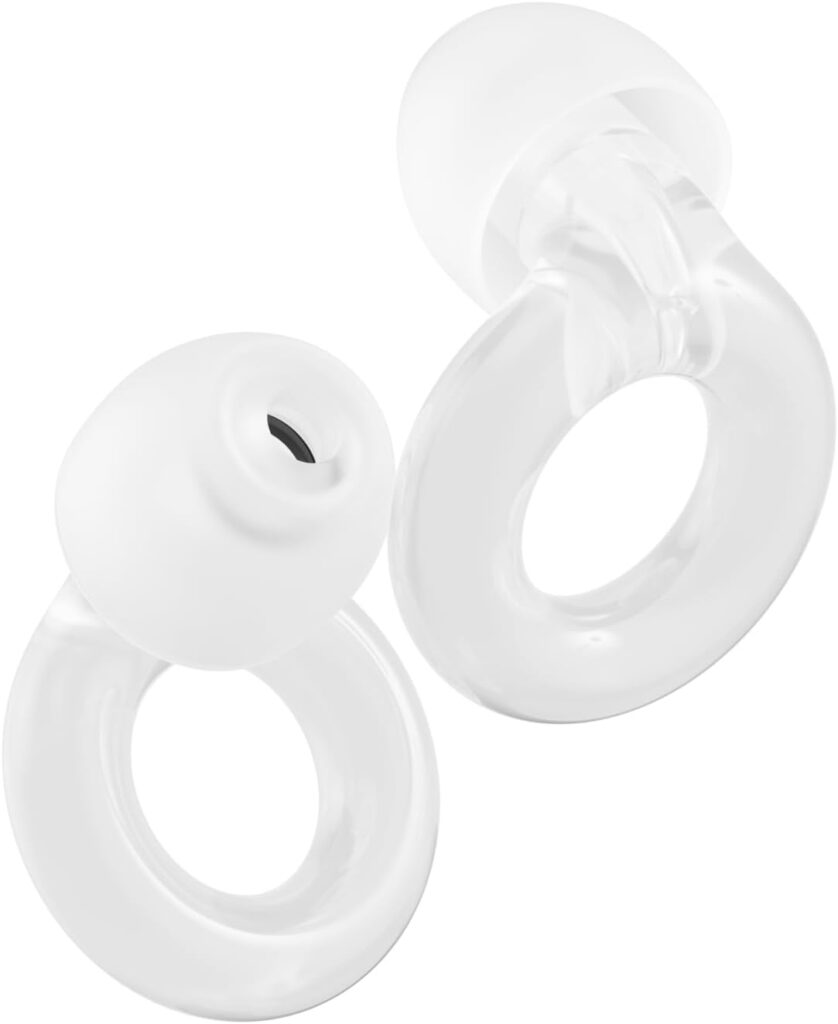
I began using Loop earplugs during busy moments to soften the noise without disconnecting from my surroundings. That small shift helped me stay calmer, which in turn helped my children regulate more easily.
Sometimes reducing the sharp edges of sound is enough to change the entire emotional tone of a moment.
Some families use child friendly noise reducing headphones for similar reasons, especially during outings or busy environments where sound builds quickly.
The comfort of gentle pressure
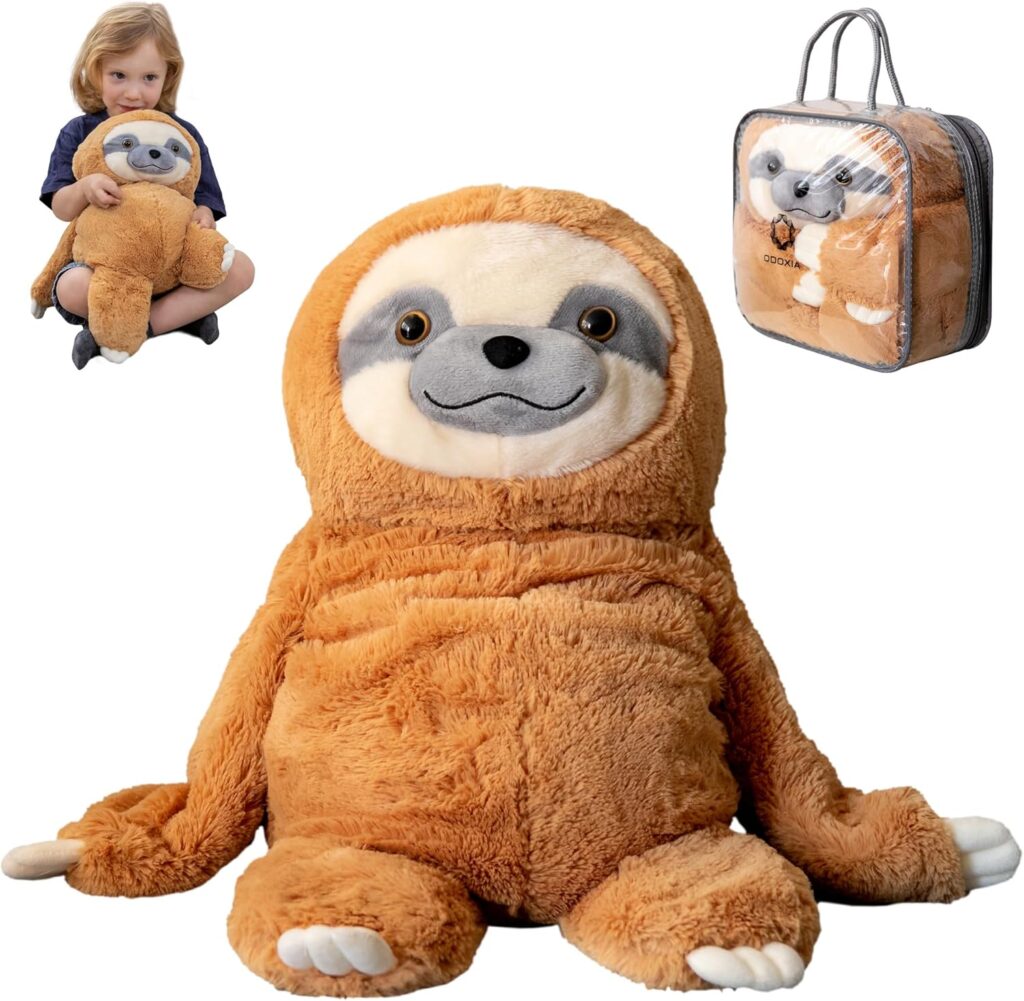
We found something surprisingly simple that made a real difference. A weighted stuffed animal.
Not heavy, not restrictive, just enough gentle pressure to feel grounding and safe. Deep pressure can calm an overloaded nervous system and help the body slow down.
What made it even more meaningful was that it was still just a soft, familiar stuffed animal. Each of my children chose their own favorite animal, and it became part of their quiet moments. Something comforting, predictable, and safe.
Sometimes comfort does not need to be complicated.
Quiet focus through sensory bottles
My middle child has always been sensitive to stimulation. When emotions build, he often struggles to find his way back to calm.
Sensory bottles became something he could truly lose himself in. The slow movement, the gentle flow, the predictability. Watching it helped his body slow down without effort or pressure.
Sometimes calming does not come from doing less, but from giving the brain something simple and steady to focus on.

Why kinetic sand helps them settle
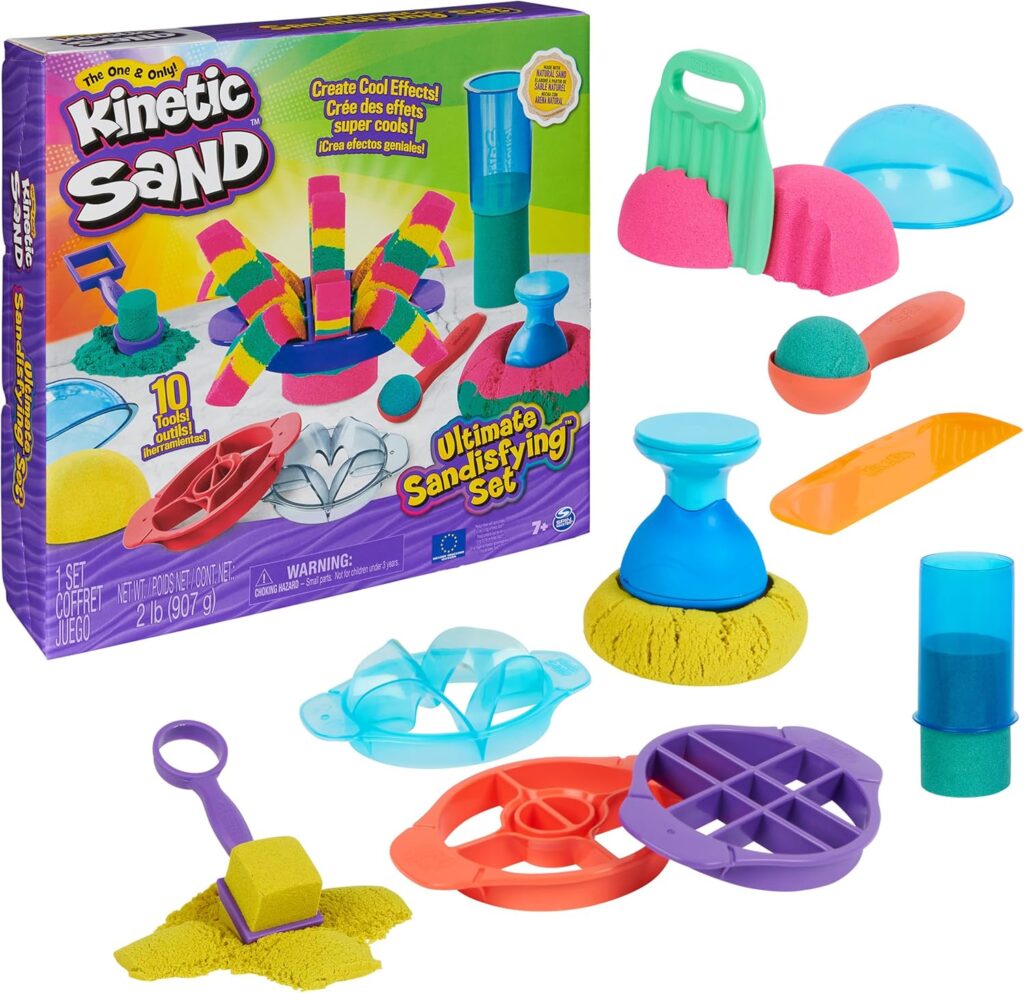
Kinetic sand has become one of the most regulating tools in our home.
There is something deeply calming about repetitive sensory play. The texture, the slow movement, the gentle control in the hands. It invites focus without pressure and engagement without overwhelm.
After long, full days, when emotions have quietly built up, my children often choose kinetic sand on their own. Not because they are told to, but because their body seems to know it helps them settle.
The slow, repetitive play allows them to release the tension of the day in a quiet, grounding way. It does not demand emotional processing. It simply allows the nervous system to soften and return to calm.
Some days, that is exactly what is needed.
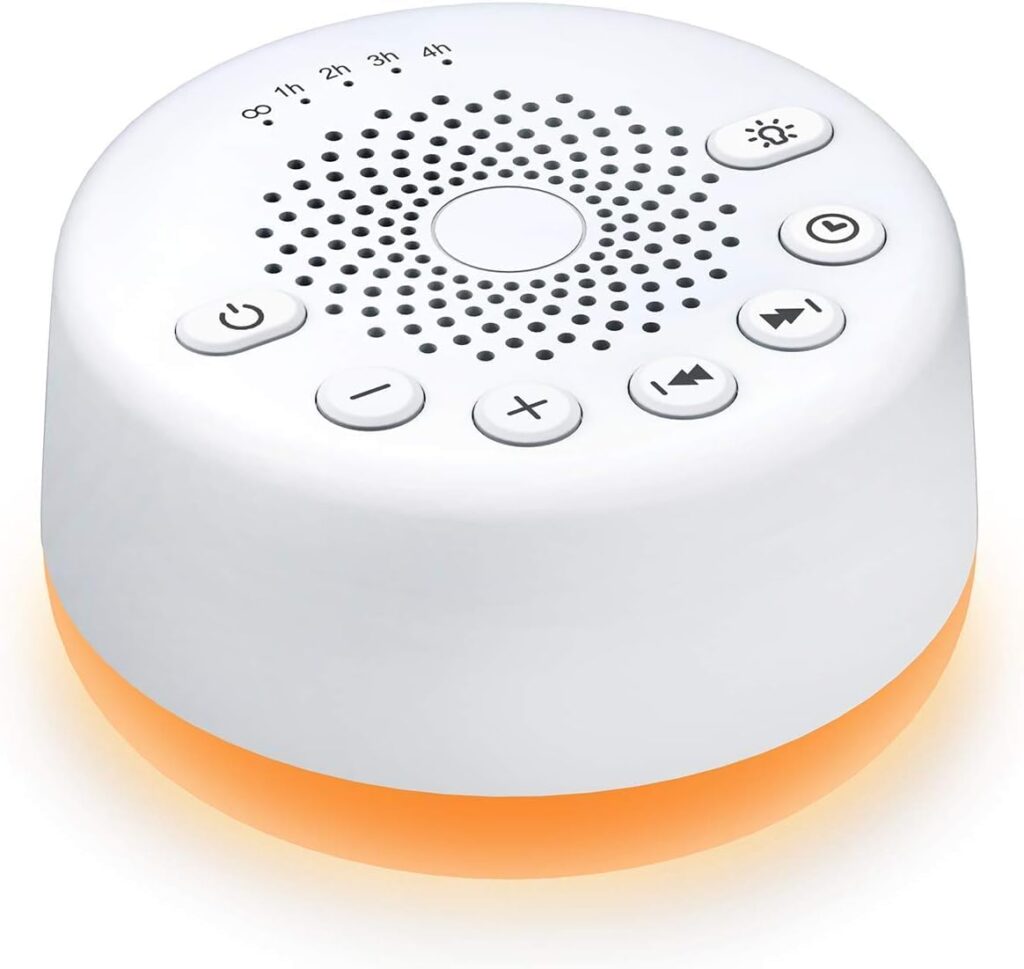
The steady comfort of white noise
White noise has been part of our home for years. Even now, my oldest still finds comfort in the soft, steady sound after a busy day.
It creates predictability, masks sudden sounds, and gently signals safety and rest. After loud or emotional days, that quiet background sound helps everyone slow down.
Sometimes calm is not silence, but consistency.
When tools are only part of the answer
Over time, I learned something important.
No tool replaces connection.
These small supports can soften overwhelm, create safety, and help regulate the nervous system. But what helps most is understanding what quietly builds beneath the surface long before the meltdown begins.
The small signs. The subtle shifts. The invisible load children carry through the day.
If you want to understand overstimulation more deeply and learn how those quiet build ups lead to big emotions, I wrote a gentle guide for parents navigating these overwhelming moments.
You can explore it here
A gentle closing
Overstimulation is not failure. Not yours, and not your child’s.
Sometimes it is simply what happens when small humans move through a very stimulating world.
And sometimes, a little softness changes everything.
Some links in this post are affiliate links. This means I may earn a small commission if you choose to purchase through them, at no extra cost to you. I only share products we personally use or genuinely find helpful.
Leave a Reply