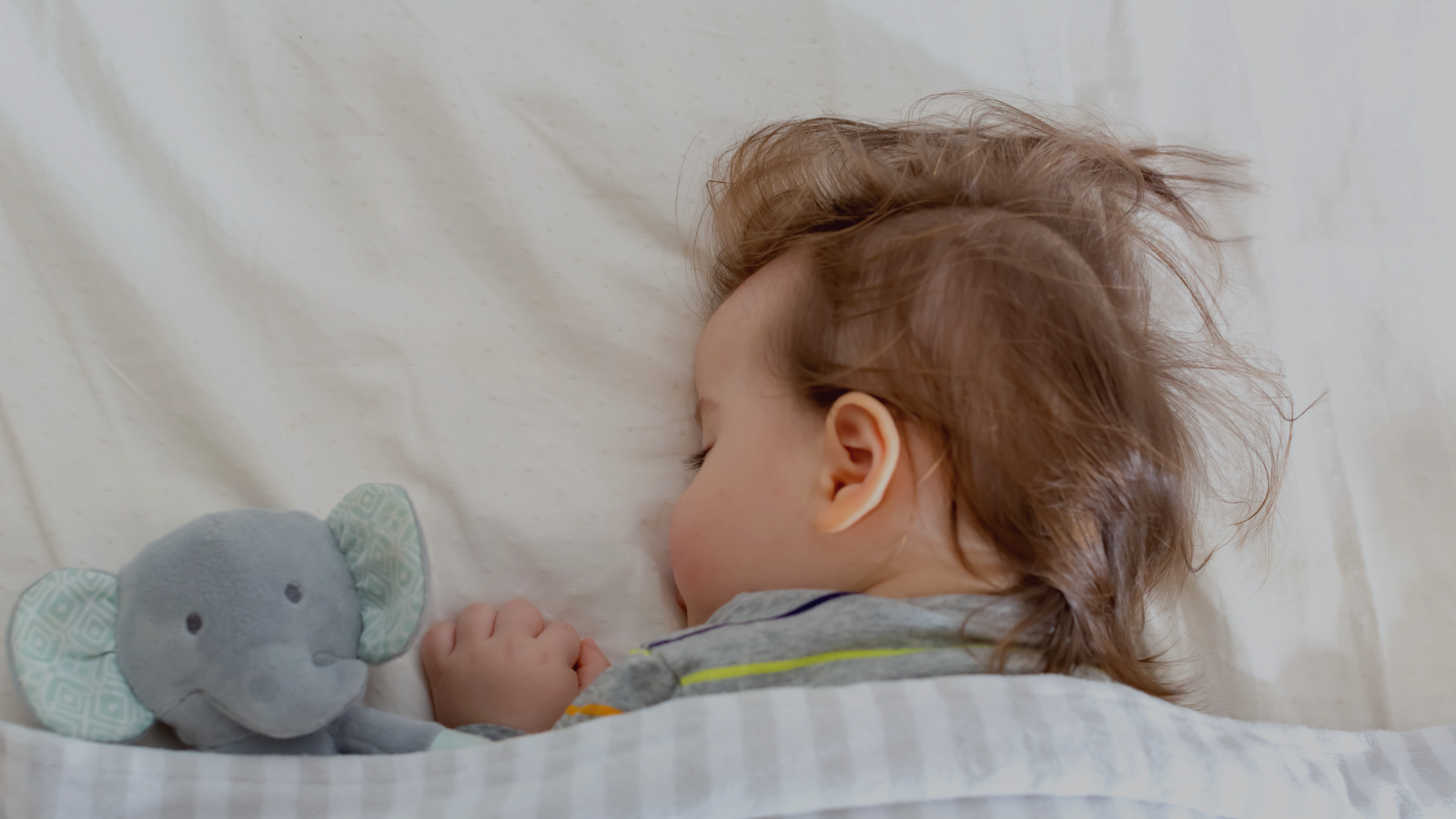
Bedtime with a toddler can look very different from bedtime with a baby.
One night your child falls asleep peacefully. The next night bedtime turns into a full protest. Suddenly your toddler refuses pajamas, asks for another story, needs water, wants a hug, and then melts down the moment you say it is time to sleep.
If this sounds familiar, you are not alone.
Many parents find that toddler sleep becomes challenging just when they thought sleep was finally getting easier.
Why toddler sleep can suddenly become difficult
During the toddler years, children go through enormous developmental changes.
They are learning new words, testing independence, and becoming much more aware of their surroundings. While this growth is exciting, it can also make sleep more complicated.
A few common reasons toddlers struggle with sleep include:
- Separation anxiety
Toddlers are much more aware when a parent leaves the room. Bedtime may feel like a separation, which can trigger protests or tears. - Overtiredness
When toddlers stay awake too long their bodies release stress hormones that make falling asleep harder. - A growing sense of independence
Toddlers love saying no. Bedtime can become one of the moments where they test that independence. - Big developmental changes
Learning new skills, language growth, and emotional development can all temporarily affect sleep.
Sometimes bedtime resistance is not really about sleep at all. It is simply a toddler trying to understand boundaries while still needing reassurance.
Toddler bedtime tantrums are more common than you think
Many parents feel worried when their toddler cries or tantrums at bedtime.
But bedtime tantrums are actually very common during this stage of development.
Toddlers are often tired, emotionally overwhelmed, and still learning how to regulate their feelings. When the day ends and stimulation slows down, those big emotions sometimes appear all at once.
This does not mean bedtime is failing.
It often means your toddler needs help calming their body before sleep.
What helps when a toddler tantrums at bedtime
When bedtime protests happen, it can be helpful to focus on calm, predictable responses rather than trying to solve everything in the moment.
A few gentle strategies that often help include:
1. Keep the bedtime routine predictable
Toddlers feel safer when they know what comes next.
A simple routine might include:
bath
pajamas
one or two books
a short cuddle
lights out
When this routine stays the same each night, the body slowly begins to associate those steps with sleep.
2. Stay calm and consistent
If your toddler protests bedtime, try to respond calmly and predictably.
You might say something simple like:
“I’m here. It’s time to rest now.”
Toddlers often settle faster when they feel that the parent is calm and confident about bedtime.
3. Reduce stimulation before bed
Bright lights, screens, and active play close to bedtime can make it harder for toddlers to settle.
Dimming the lights and slowing down the evening routine can help the body transition into sleep mode.
4. Offer reassurance without restarting bedtime
Sometimes toddlers call parents back into the room several times.
Instead of restarting the whole routine, offer brief reassurance. A quick hug, a quiet phrase, or gently guiding them back to bed can help keep the boundary clear while still offering comfort.
A gentle toddler sleep routine
Many parents find that creating a simple toddler sleep routine helps reduce bedtime battles.
A calm routine signals to the body that sleep is approaching.
A simple example might look like this:
7:00 bath
7:10 pajamas
7:15 books
7:20 cuddle
7:25 lights out
This does not need to be perfect every night, but consistency helps toddlers feel more secure.
A simple resource for tired parents
If you are navigating toddler sleep right now, I created a free baby and toddler sleep cheat sheet that many parents find helpful during those long nights.
It includes:
• common sleepy cues
• wake windows by age
• simple gentle sleep ideas
You can download it here
If you want a deeper gentle sleep approach
If bedtime struggles or night wakings are happening often, a gentle sleep approach can make a big difference.
In my guide Gentle Sleep Without Crying, I explain the Calm Nights Method, a gentle way to support your child’s sleep without leaving them to cry alone.
The guide also covers:
• why children wake between sleep cycles
• how to respond calmly to night wakings
• gentle ways to move toward independent sleep
• what to do when sleep progress feels fragile
Many parents find that once sleep becomes calmer, bedtime struggles slowly become easier too.
If bedtime feels hard right now
Toddler sleep can feel intense, especially after a long day.
But this phase does not last forever.
Little by little, routines become familiar. Toddlers learn what to expect at bedtime. And nights often become calmer again.
Until then, remember that you are not doing anything wrong.
You are simply helping your child learn one of the biggest skills of early childhood.
Leave a Reply