Why We Get Toddler Learning Wrong
For a long time, I thought learning at two meant letters.
Alphabet cards on the table.
Counting out loud.
Maybe even structured preschool style activities that looked impressive from the outside.
Because that’s what you see everywhere when you search for learning activities for 2 year olds.
But toddlers do not learn through flashcards.
They learn by doing.
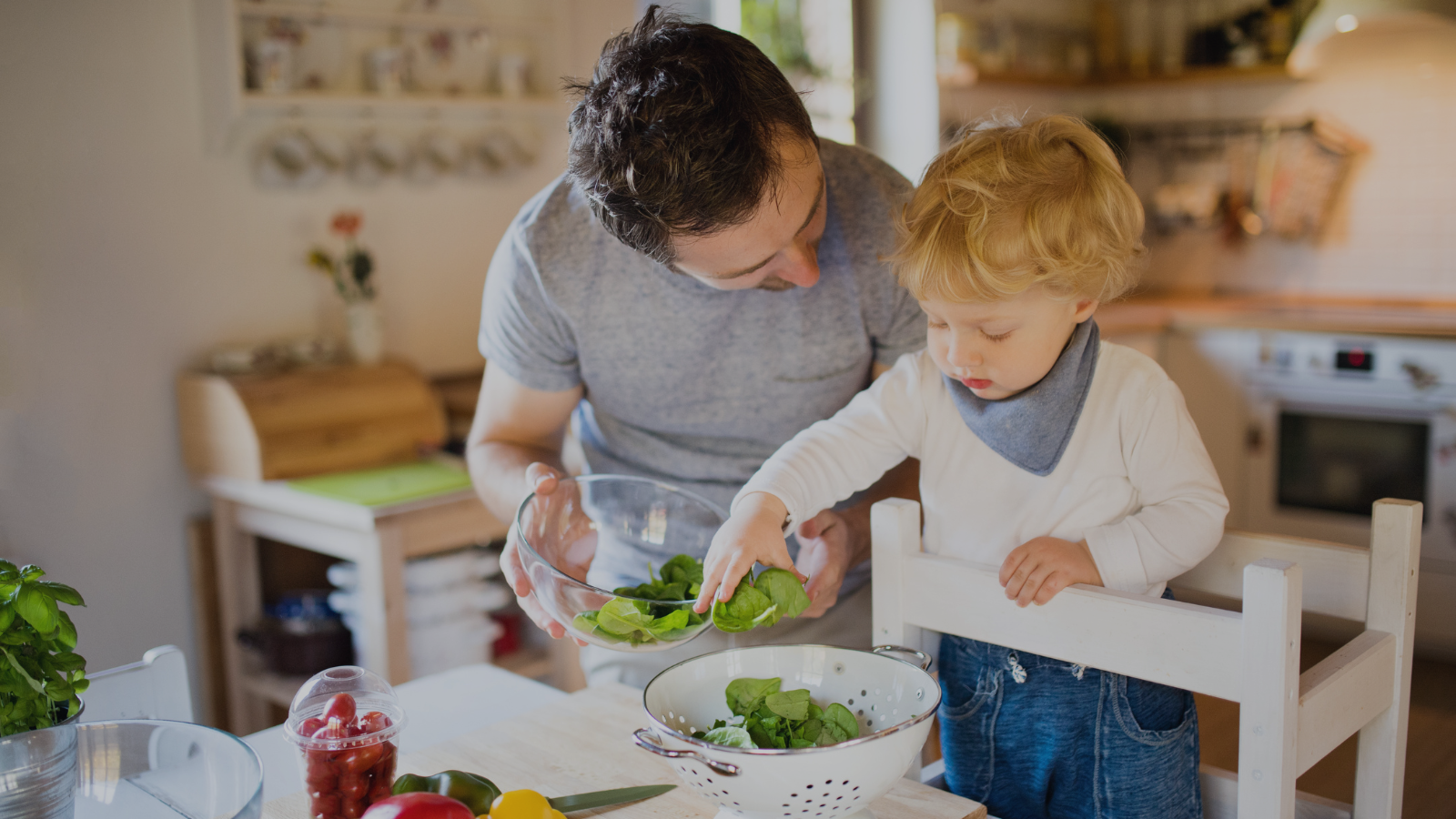
And if you have ever lived with a two year old, you know this already. They want to do everything themselves. Even when it takes three times as long. Even when it makes a mess. Even when it tests every last bit of patience you have left.
I used to rush it.
It was faster if I poured the water. Cleaner if I loaded the washing machine alone. Easier if I tied the shoes without waiting.
Sometimes I didn’t let them help simply because I was tired.
But those were the moments they were asking to learn.
Now my middle child is four. And when I look back at his second year, I see clearly that the most valuable learning activities for 2 year olds were not structured lessons at all.
They were slow, ordinary, hands on moments at home.
These are the ones that truly supported his development.
1. Pouring and Practical Life: The Learning Hidden in Everyday Tasks
At two, my son wanted to pour everything himself. Water. Milk. Sometimes things that absolutely should not be poured.
My instinct was to step in because it was quicker and less messy.
But when I finally let him try, I saw something I had missed before. His entire body slowed down. His hands adjusted carefully. His eyes followed the stream of water with intense focus.
Pouring is one of the simplest learning activities for toddlers, yet it builds coordination, hand strength, concentration, and independence all at once.
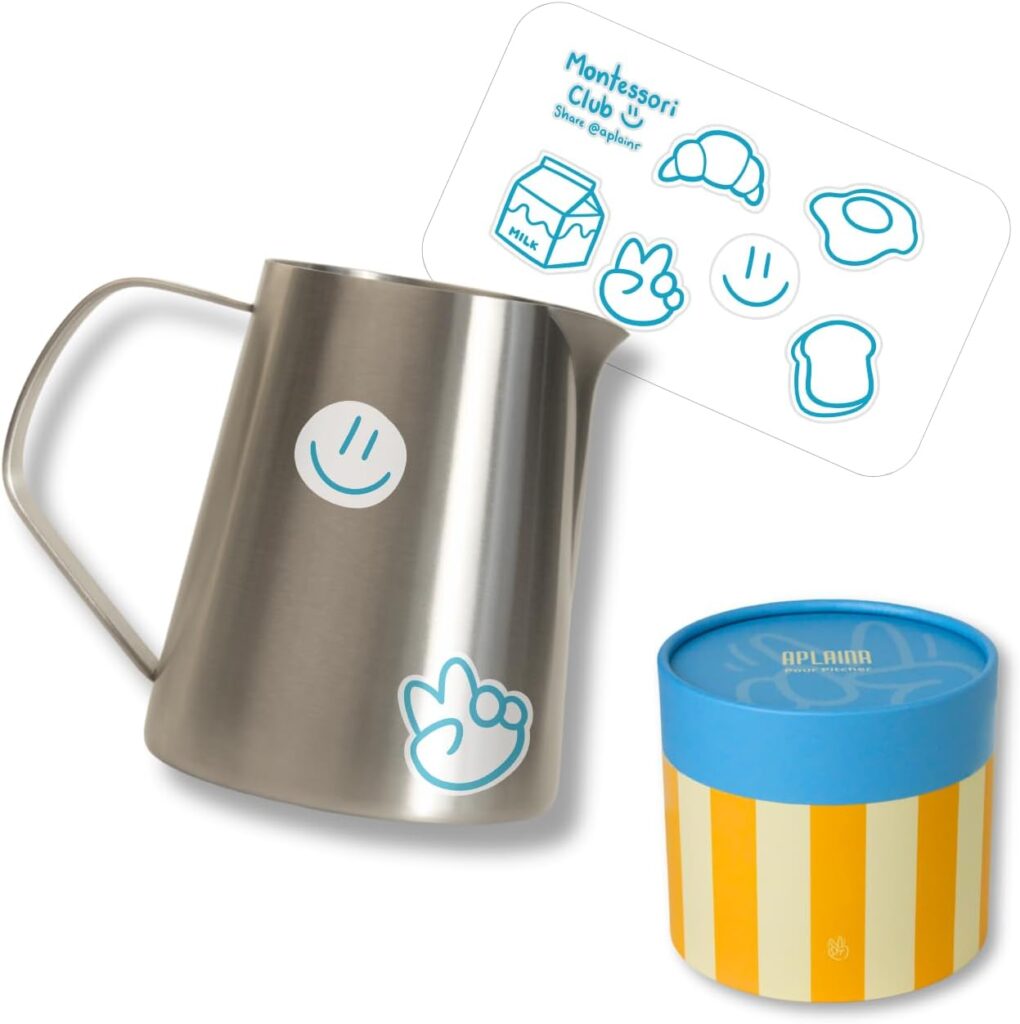
We started with a small stainless steel toddler pitcher that was light enough for his hands but sturdy enough not to tip easily. Two small cups and a towel nearby were all we needed.
It took more time. It required more patience from me. But those slow minutes were full of learning.
If your toddler constantly says, “I do it,” practical life activities at home are where you will see the biggest growth.
2. Simple Wooden Puzzles That Build Fine Motor Skills
There was a phase where my son would abandon activities quickly if they felt too hard.
I realized the puzzles we owned were too advanced. Too many pieces. Too small.
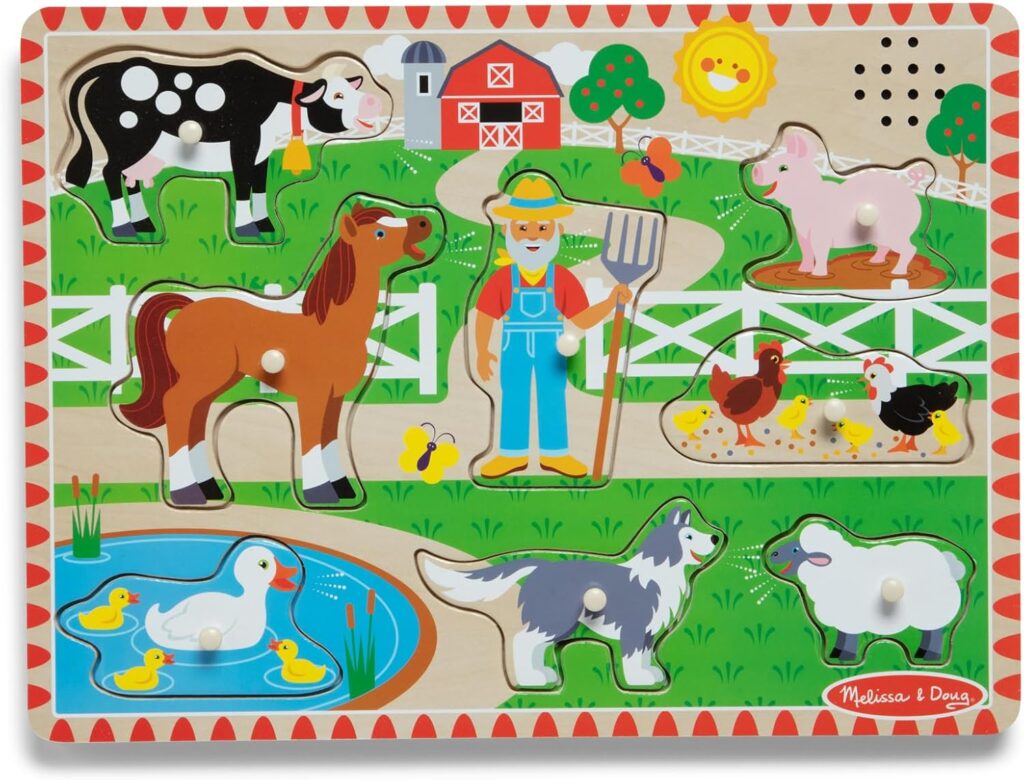
We switched to a simple wooden peg puzzle designed specifically for toddlers. Large knobs. Clear shapes. Just a few pieces.
The change was immediate.
He could complete it independently.
Fine motor skills develop rapidly between two and three. Those small hand muscles are strengthening in preparation for drawing, buttoning, and eventually writing.
When a two year old can finish something successfully, they repeat it. And repetition is what builds both skill and confidence.
A basic wooden peg puzzle might look simple, but it is one of the most effective fine motor activities for 2 year olds at home.
Sometimes development does not need complexity. It needs the right level.
3. A Learning Tower That Invites Participation
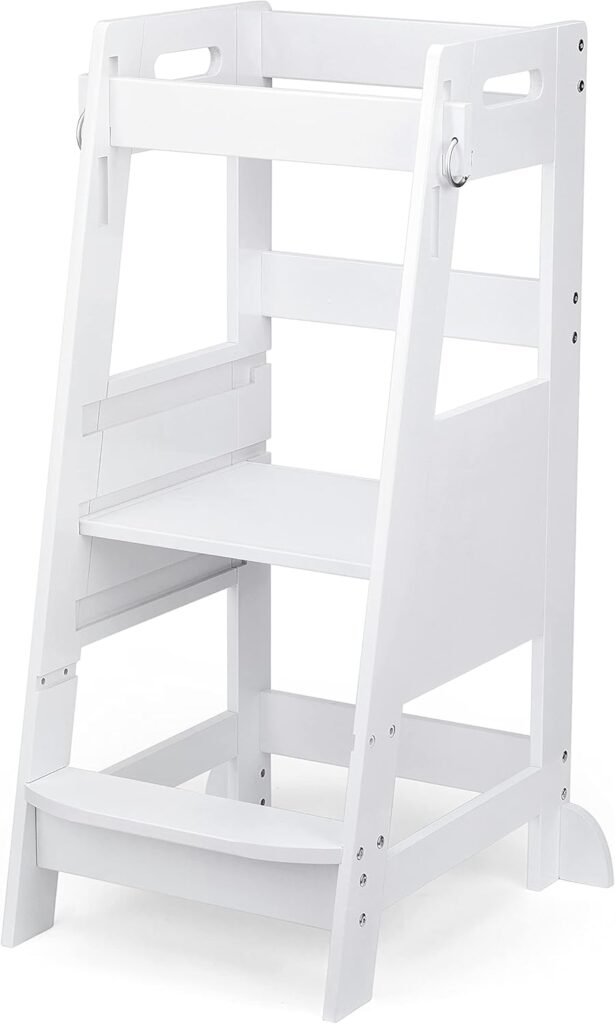
If I could go back to when he was two, I would still choose our learning tower without hesitation.
At that age, he did not want entertainment. He wanted involvement.
Before we introduced a sturdy toddler learning tower, cooking dinner felt chaotic. He clung to my legs, frustrated that he couldn’t see or participate.
Once he could safely stand at counter height, everything shifted. He stirred batter. Washed vegetables. Helped pour ingredients.
These moments became some of our richest toddler learning activities at home.
Practical life builds language because you naturally narrate what you are doing. It strengthens sequencing skills. It supports social and emotional development because children feel capable.
Now at four, he still uses that same learning tower.
When we talk about learning activities for 2 year olds, we often overlook how powerful simple participation really is.
4. Books That Support Language Development Naturally
At two, I worried briefly about vocabulary.
I thought maybe we needed more structured language activities.
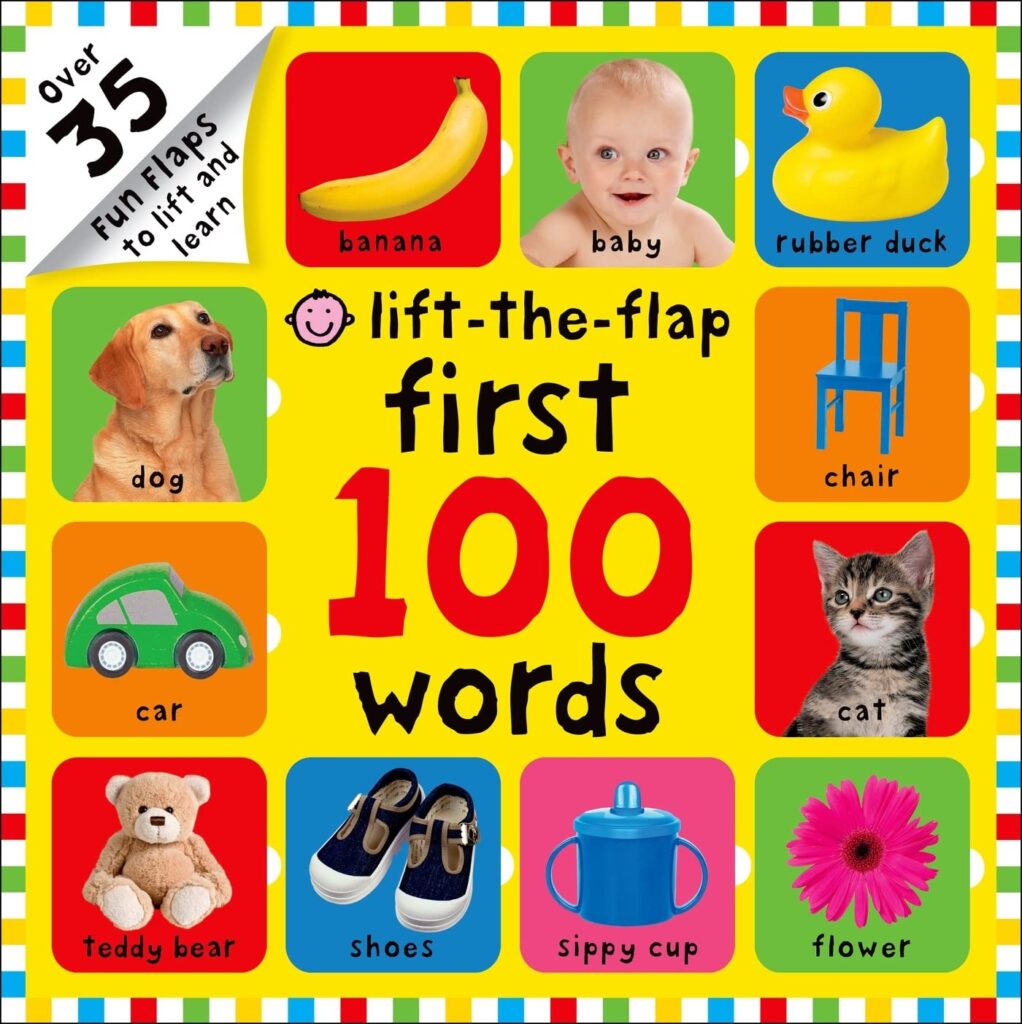
Instead, we chose one simple first words board book and read it every single day. Slowly. Repeatedly.
I stopped rushing through pages. I paused and waited. I let him point before I named things.
Language development at two happens through connection and repetition, not pressure.
Interactive lift the flap books were also incredibly helpful because they invited participation rather than passive listening.
You do not need a large collection of books for toddler learning activities at home. You need consistency. Familiarity. Conversation.
Those daily reading moments built far more than I realized at the time.
5. Drawing as a Foundation for Pre Writing
Around two and a half, I noticed something small but significant.
His scribbles were no longer random. They were controlled circles.
That was the beginning of pre writing development.
We began using thick toddler crayons that were easier to grip and less frustrating than regular thin ones. Paired with a large sheet of paper on the floor, this became one of our simplest low prep toddler activities.
Drawing strengthens hand muscles, improves coordination, and supports shape recognition.
It also provides emotional expression at a stage when vocabulary is still developing.
Creative activities at this age do not need to look beautiful. They need to be available.

What Should a 2 Year Old Be Learning?
When parents search for learning activities for 2 year olds, the underlying question is often this.
Am I doing enough?
At two, children are learning independence, coordination, language, emotional regulation, problem solving, and early math foundations through sorting and categorizing.
They are not meant to sit for formal lessons.
The most effective toddler learning activities are hands on, repetitive, and woven into daily life at home.
Pouring water.
Completing a simple puzzle.
Helping in the kitchen.
Reading slowly.
Drawing freely.
These may seem small. But neurologically, they are powerful.
The Value of Letting Them Do It Themselves
Letting a two year old do things independently takes more time.
It takes patience from mama. It requires slowing down when everything in you wants to move faster.
But those slow moments are where confidence grows.
Now that my middle child is four, I can clearly see how much those simple learning activities for 2 year olds shaped his independence and focus.
We did not rush academics. We did not push structured lessons.
We made space for participation.
And that was enough.
If you are building toddler learning activities at home right now, start small. Choose simple tools that match your child’s stage. Observe what they are trying to master.
Learning at two does not need to look impressive.
It needs to be intentional.
And sometimes, the most powerful lesson is simply letting them try.
Leave a Reply