There was a time when our home felt full of toys. Baskets everywhere, shelves filled, everything carefully sorted by type. Cars with cars, dolls with dolls, building toys together. I truly believed this helped my children. Everything was visible, organized, easy to choose from. It looked calm and structured, almost ideal.
But something was missing.
The baskets were full, there was more than enough to play with, yet very little was actually being used. Toys remained untouched. The room was full of options, but not of play. I remember visiting friends or family and watching children become deeply absorbed in a single toy, sometimes for long stretches of time. It looked peaceful, focused, effortless. I often found myself thinking, that looks wonderful, and more than once I bought the same toy for our home… only to see it sit unused.
Over time, I began to hear more about toy rotation and gentle ways to reduce overwhelm in the child’s environment, something often reflected in a calm Montessori playroom.
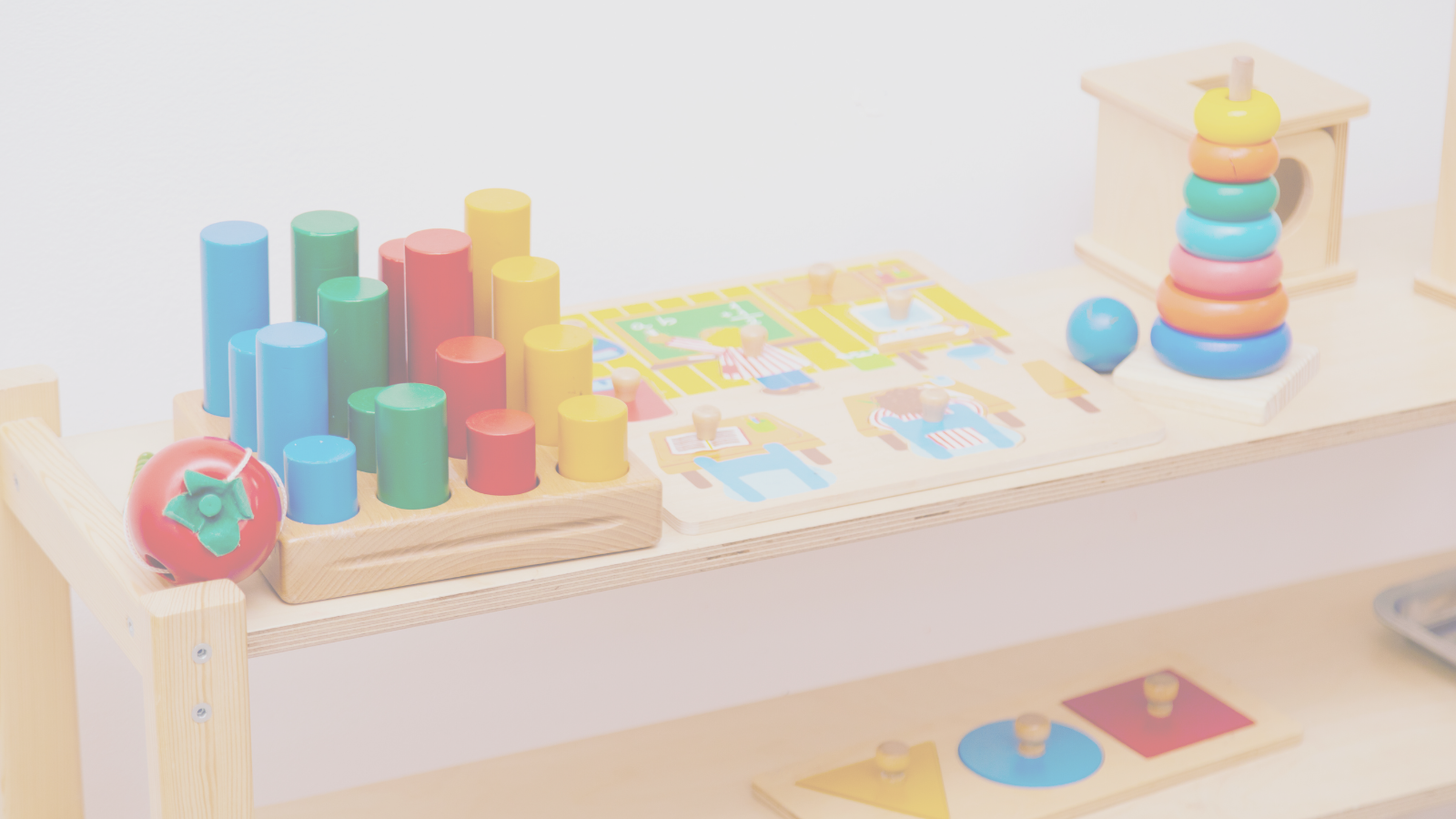
At first, the idea of a toy rotation system felt almost too simple. Offer fewer toys. Place them with intention on a quiet open shelf, much like in a prepared environment where Montessori toys invite focus and independent exploration. Rotate them thoughtfully so each material feels fresh and engaging again. Not less play, but less overwhelm. Not removing toys, but creating space for intentional play, deeper concentration, and calm meaningful engagement.
So we tried.
Instead of baskets everywhere, we introduced a simple open toy shelf where only a small selection of toys would be visible at one time. A low, open toy rotation shelf like this one allows children to clearly see and choose their toys, without feeling overwhelmed.
This is often part of a calm Montessori playroom, where fewer toys and intentional choices help children focus, play deeply, and feel less overwhelmed.
Something changed almost immediately.
With fewer toys in sight, the room felt calmer. The children seemed less overstimulated, less distracted, and more able to settle into play. And unexpectedly, they began playing more and for longer with less. Fewer choices made it easier to begin. The toys did not need to be new. The calm created focus.
I selected six to eight toys and stored the rest upstairs, carefully sorted by theme so they could easily return into rotation. Cars together, dolls together, building toys together, Playmobil together. Nothing disappeared. It was simply resting until its turn returned.
On the shelf, I gently mixed open-ended toys with more structured toys. Sometimes Magna-Tiles beside small figures, sometimes Playmobil near building pieces. Occasionally, I would create a small invitation to play a tiny structure already started, a small scene waiting to be continued. Not instructions, not direction, just a beginning.
And the toys felt new again.
The children returned to them with curiosity, imagination, and deeper focus. When interest slowly faded, I rotated again. No strict schedule, just observing their rhythm and adjusting gently.
Over time, I noticed another quiet shift. With fewer toys visible, the children became less overstimulated. Play felt calmer, deeper, and more sustained. The room itself felt lighter. Even transitions between activities became smoother. Sometimes, less truly created more.
There are a few toys that never leave our daily space. Not because they are the newest, but because they continue to grow with the children and support open-ended play in different ways. Magna-Tiles are almost always nearby, becoming towers, roads, or entire worlds. Our doctor set often returns in caring, imaginative play. A small coffee and tea set lives gently within everyday pretend routines. Stepping stones invite both movement and creativity, and dolls remain a quiet source of comfort and storytelling.
Toy rotation, for us, was never about owning less. It was about creating calm, order, and clarity in the child’s environment. About helping children truly notice what is in front of them and allowing imagination the space to unfold naturally.
More than anything, it reminded me that children often need less than we think. Fewer choices, fewer distractions, fewer interruptions. In a prepared environment with simplicity and intention, children are free to play with deeper focus, greater independence, and quiet concentration. Through this calm and ordered space, their play becomes more meaningful, more creative, and more peaceful.
Affiliate Disclosure
This article contains affiliate links. If you choose to purchase through one of these links, I may earn a small commission at no extra cost to you. I only recommend products I genuinely use or trust.
Leave a Reply