Why Every Home Can Benefit From a Calm Down Corner
Every parent has experienced it. One moment your child is happily playing, and the next moment emotions suddenly explode. Tears, yelling, frustration, or a full meltdown can appear out of nowhere.
These toddler tantrums are not bad behavior. They are often a sign that children simply do not yet know how to process big emotions.
This is where a calm down corner can make a huge difference.
A calm down corner is a small, safe space where children can pause, breathe, and reset their emotions. Instead of punishment or time outs, the goal is to help children learn emotional regulation in a supportive way.
When children have a space designed for calming down, they slowly learn that big feelings are normal and manageable.
This approach fits perfectly within positive parenting solutions because it focuses on teaching skills rather than correcting behavior.
Over time, many children begin to use their calm down corner on their own. They learn to recognize when their emotions are rising and choose tools that help them calm their body.
Calm down corners are one of the most effective tools for teaching emotional regulation in toddlers
Why Calm Down Corners Are Proven to Work
Calm down corners are widely used by teachers, therapists, and child development specialists because they help children learn emotional regulation in a safe and supportive way. Research in early childhood development shows that young children need guidance and tools to calm their nervous system before they can regulate their emotions independently. Tools like breathing exercises, sensory activities, and quiet spaces help children slow their breathing, relax their body, and process big feelings more effectively. That is why calm down corners are often used in classrooms, therapy rooms, and homes as part of positive parenting solutions.
Calm Down Corner Ideas That Actually Help Kids Calm Down
Creating a calm down corner does not need to be complicated. In fact, the most effective calm down corner ideas are often simple, cozy, and thoughtful.
The goal is to create a space that helps children feel safe and supported when emotions become overwhelming.
Below are some of the best calm down corner ideas that support emotional regulation and help reduce toddler tantrums.
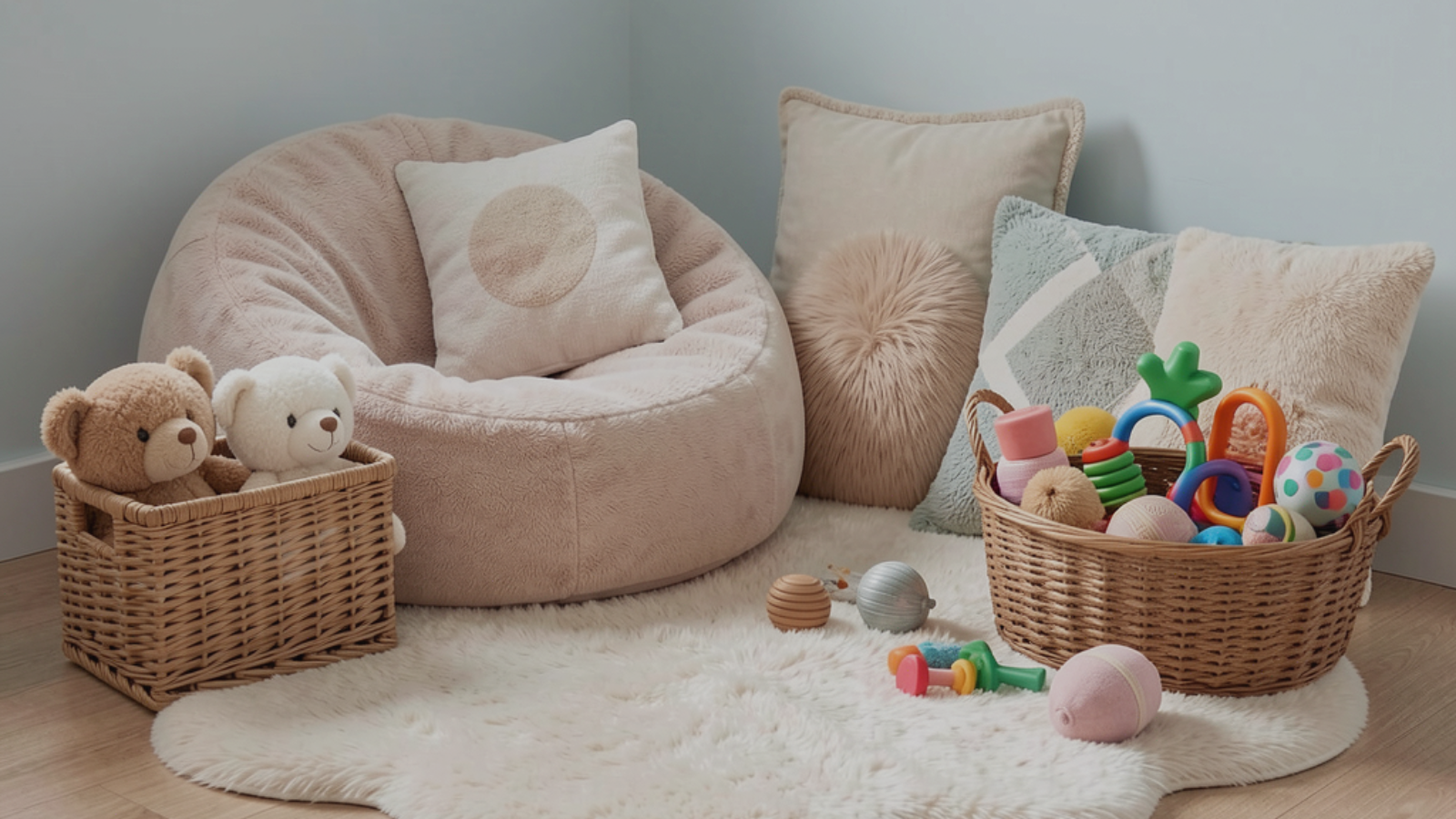
1. Create a Cozy and Safe Space
The first step in building a calm down corner is creating a space that feels comfortable and safe.
Children calm down faster when their environment feels warm and inviting.
You do not need a large area. A small corner in the living room or bedroom can work perfectly.
Some simple ideas include placing a soft rug on the floor, adding a beanbag chair, or creating a cozy pillow corner.
Soft textures help children relax because they signal safety to the nervous system.
Many parents add a few comfort items such as a soft blanket, a plush pillow, or a favorite stuffed animal. These small details make the calm down corner feel like a peaceful retreat instead of a place for discipline.
2. Use Calm Down Cards for Guided Breathing
One of the most helpful tools for emotional regulation is teaching children how to slow their breathing.
When children are upset, their breathing becomes fast and shallow. Guided breathing helps the body calm down and signals the brain that it is safe.
This is where calm down cards are incredibly helpful.
Visual prompts make breathing exercises easier for young children to understand. Instead of telling a child to take a deep breath, the cards turn calming down into a playful activity.
For example, the breathing cards include fun animal inspired exercises such as buzzing like a bee, hissing like a snake, roaring like a lion, or hooting like an owl. Each card encourages children to inhale slowly and exhale while making the animal sound, which helps regulate breathing and relax the body.
To make it easy for parents, I created these calm down cards as free printables.
Breathing exercises like these animal breathing cards are often used in classrooms and therapy settings because slow breathing helps regulate a child’s nervous system.
You can download the printable calm down cards here and add them to your calm down corner. Simply print them, cut them out, and place them in a small basket so your child can choose a breathing card when they feel overwhelmed.
Many parents laminate the cards so they last longer and are easy for children to handle.
3. Add Books That Teach About Emotions
Books are powerful tools for helping children understand their feelings.
Many toddler tantrums happen because children simply do not yet have the words to describe their emotions.
Emotion themed books can help children recognize feelings like anger, frustration, sadness, and excitement.
Reading these books during calm moments helps children build emotional awareness. Over time they begin to connect their feelings with the strategies they learn in the calm down corner.
Some wonderful books about emotions include
These stories show children that emotions are normal and that there are ways to work through them.
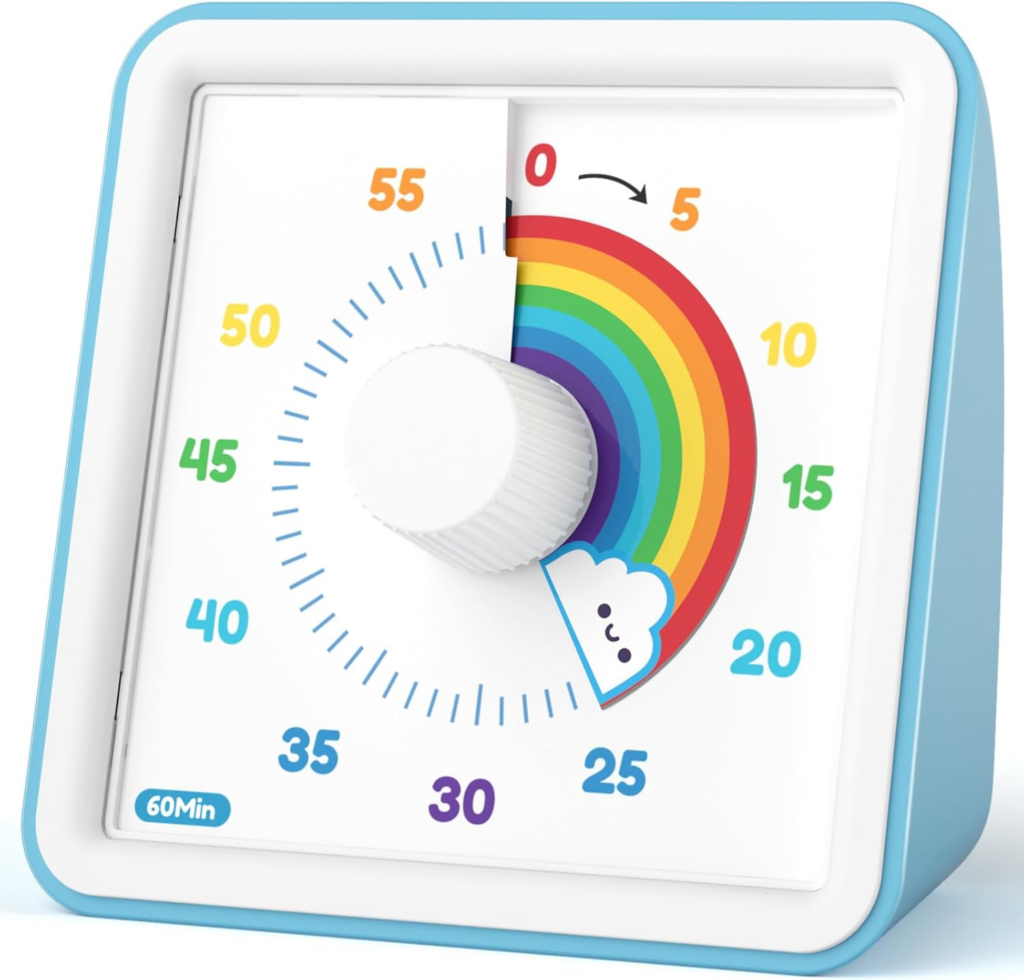
4. Use a Visual Timer
Another helpful calm down corner idea is adding a visual timer.
Young children do not yet understand the concept of time. When they are asked to calm down, they may feel uncertain about how long the moment will last.
A visual timer makes time visible.
Children can see the time slowly passing, which makes the calming process feel more predictable and less stressful.
Many parents use a simple five minute timer for calm down time. This is usually enough time for a child to slow their breathing and reset their emotions.
Timers can also be helpful during transitions, such as moving from playtime to bedtime or leaving the playground.
5. Add Sensory Tools That Calm the Body
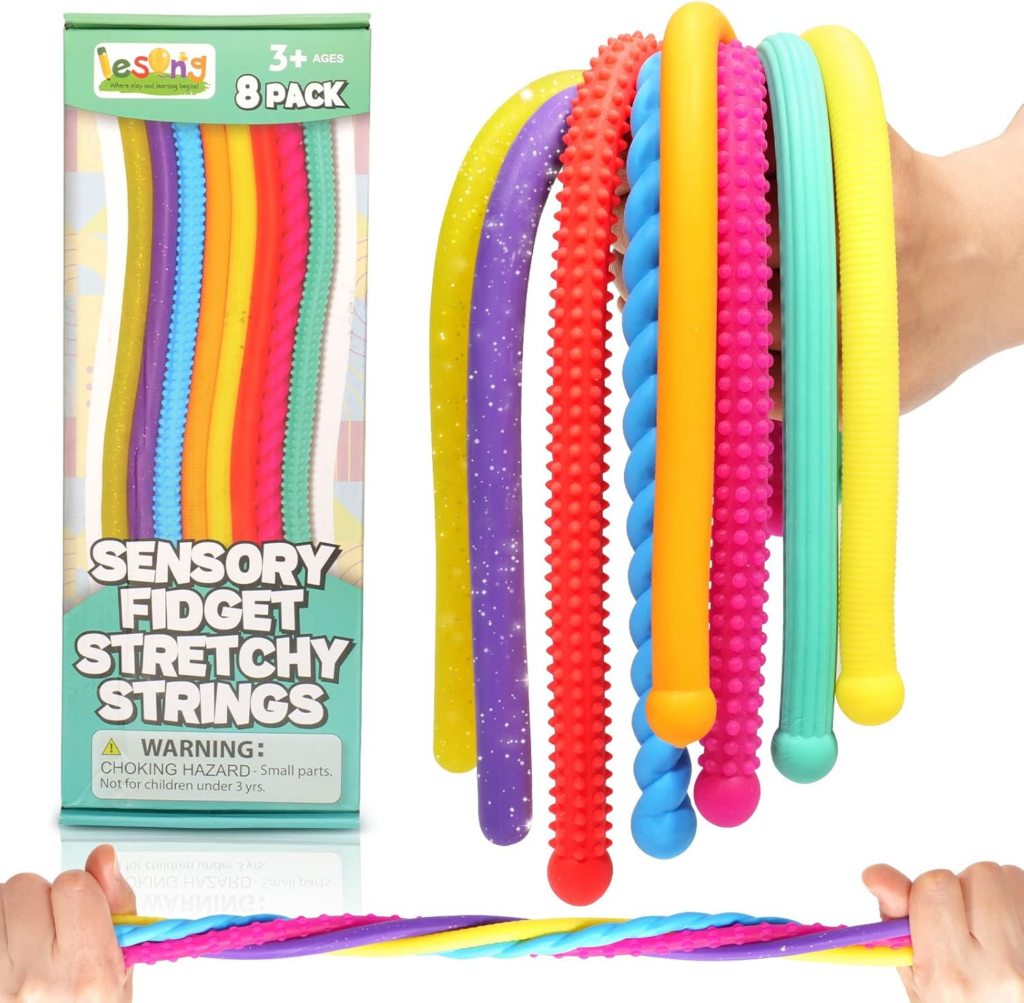
When children are overwhelmed, they often benefit from sensory input.
Sensory activities help regulate the nervous system and give children something simple to focus on while their emotions settle.
Some helpful sensory items to include in a calm down corner are:
These items allow children to squeeze, shake, or focus on movement while their body begins to relax.
For many children, sensory play is one of the fastest ways to move from a meltdown back to a calm state.
6. Use Emotion Charts or Feeling Posters
Another helpful addition to a calm down corner is an emotion chart.
Young children often feel big emotions but do not yet know how to describe them.
Emotion charts show simple facial expressions that represent feelings such as happy, sad, angry, frustrated, or worried.
When children can point to how they feel, it becomes easier for parents to guide them toward calming strategies.
Over time this simple activity strengthens emotional awareness and supports emotional regulation.
7. Add a Comfort Item
Even older toddlers benefit from comfort objects when they feel overwhelmed.
A favorite stuffed animal can make the calm down corner feel safe and familiar.
Some parents encourage children to hug their stuffed animal while taking deep breaths. Others pretend that the stuffed animal also needs help calming down.
This playful approach helps children practice emotional regulation in a gentle and supportive way.
8. Create a Calm Down Basket
A calm down basket helps keep the calm down corner organized.
Inside the basket you can place a few simple calming tools such as:
Children enjoy choosing their own calming tools, which gives them a sense of control when emotions feel overwhelming.
This independence is an important step in learning emotional regulation.
9. Let Kids Help Design Their Calm Down Corner
One of the best calm down corner ideas is letting children help create the space.
When children feel ownership over the area, they are much more likely to use it.
You might let your child choose their pillow, pick their favorite stuffed animal, or decorate the corner with simple drawings.
Some children even enjoy choosing which calm down cards they want to place in the basket.
This involvement makes the calm down corner feel like their special space for calming down and resetting emotions.
How Calm Down Corners Help Reduce Toddler Tantrums
Calm down corners do not eliminate emotions, and they should not.
Children need to experience emotions in order to learn how to manage them.
What calm down corners do is teach children what to do when emotions feel overwhelming.
Instead of reacting immediately, children begin to practice calming strategies such as breathing slowly, identifying emotions, squeezing a sensory toy, or asking for help.
These small skills gradually build the foundation for lifelong emotional regulation.
Over time, many parents notice that toddler tantrums become shorter and less intense because children have tools to cope with their emotions.
Frequently Asked Questions
At what age can you introduce a calm down corner
You can introduce a calm down corner as early as eighteen months to two years old. Toddlers may need guidance at first, but they quickly learn how to use the space with practice.
Is a calm down corner the same as a time out
No. A calm down corner is not punishment. It is a supportive space where children learn emotional regulation skills.
What should be inside a calm down corner
Most calm down corners include a mix of comfort and calming tools such as pillows, breathing cards, emotion books, sensory toys, and a visual timer.
Do calm down corners really help with toddler tantrums
Yes. When used consistently, calm down corners help children practice emotional regulation and can reduce the intensity of toddler tantrums.
How do calm down cards help children calm down
Calm down cards guide children through simple breathing exercises. Animal breathing activities such as buzzing like a bee or roaring like a lion encourage slow breathing that helps calm the nervous system.
Should parents stay with their child in the calm down corner
Yes, especially for younger children. Sitting nearby helps children feel safe and supported while they calm down.
Final Thoughts
A calm down corner can become one of the most valuable spaces in your home.
With simple tools such as breathing cards, cozy pillows, sensory toys, and emotion books, children learn how to pause, breathe, and manage big feelings.
Instead of reacting to toddler tantrums with punishment, calm down corners offer positive parenting solutions that teach lifelong emotional skills.
Sometimes the smallest corner of a room becomes the place where children learn the biggest lessons about their emotions.
Some of the links in this article may be affiliate links. This means that if you choose to make a purchase, I may earn a small commission at no extra cost to you. I only recommend products that I truly believe can support parents and children.
Leave a Reply